Hiring a Professional for Pipe Repairs
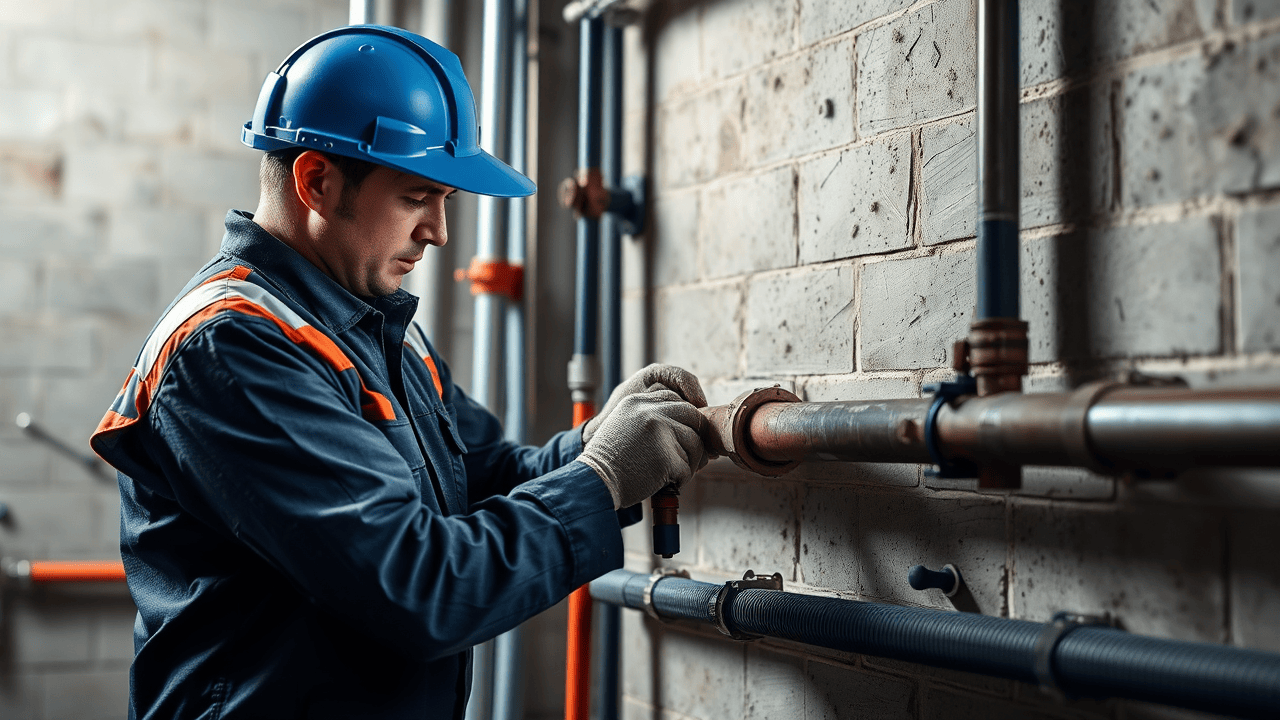
When faced with pipe issues, hiring a professional for pipe repairs can save time and alleviate stress. Experts in plumbing possess the skills and experience necessary to diagnose problems accurately and provide effective solutions. Whether dealing with leaks, clogs, or more complicated issues, trained technicians ensure the work is done correctly and safely, adhering to relevant building codes.
Choosing a qualified technician is essential for successful pipe installation and repair in residential or commercial spaces. Look for professionals with certifications, positive reviews, and a solid track record. An accredited plumber not only guarantees quality workmanship but also offers peace of mind knowing that your plumbing system is in capable hands.
What to Look for in a Qualified Technician
When searching for a qualified technician for pipe installation and repair in your home, it's essential to verify their credentials and experience. Look for professionals who are licensed and insured, as this ensures they meet industry standards and are responsible for their work. Indeed, a technician with several years of experience is more likely to handle unexpected issues that may arise during the installation or repair process. Online reviews and testimonials can also provide insight into a technician's reliability and the quality of their work.
Communication skills are another critical aspect to consider. A good technician should be able to explain the issues comprehensively and clearly without using jargon. This transparency allows homeowners to make informed decisions regarding pipe installation and repair in their properties. Additionally, assessing their commitment to customer service during the initial consultation can help gauge their professionalism. A technician who shows patience and willingness to address concerns will likely provide a more satisfactory experience throughout the project.
Preventative Maintenance for Pipe Systems
Regular preventative maintenance is essential for maintaining the integrity of pipe systems. Inspections should be conducted periodically to identify early signs of wear, corrosion, or leaks. This proactive approach can significantly extend the lifespan of pipes and prevent costly repairs down the line. Homeowners and property managers often overlook this step, leading to more serious issues that could easily have been avoided.
In addition to routine inspections, proper installation practices play a crucial role in the overall health of a plumbing system. Pipe installation and repair in accordance with local building codes can dramatically reduce the likelihood of future problems. Ensuring that qualified technicians handle installation and maintenance work assures that systems operate effectively. This attention to detail ultimately fosters a reliable plumbing environment for homes and businesses.
Best Practices to Avoid Future Repairs
Regular maintenance is crucial in prolonging the life of your plumbing systems. Routine inspections by professionals can catch minor issues before they escalate into major problems. Keeping an eye on water pressure and ensuring there are no leaks can save homeowners from significant repair costs down the line. Furthermore, ensuring that all pipe installation and repair in your home follows local codes can help prevent future complications.
Educating yourself about proper usage of your plumbing fixtures is equally important. Avoid flushing non-biodegradable items down toilets and refrain from pouring grease down the drain. These practices can lead to blockages and other issues that may necessitate repairs. Additionally, insulating pipes in colder months can prevent freezing and subsequent bursting, which is a common problem. Taking proactive measures can significantly reduce the chances of needing extensive pipe repairs in the future.
Costs Associated with Pipe Repair Services
The costs associated with pipe repair services can vary significantly based on several factors. Homeowners often find that the extent of damage plays a crucial role in determining expenses. Simple leaks may require minimal work and therefore cost less, while extensive damage can lead to higher repair bills due to the complexity of the situation. Additionally, the type of materials used for repairs can influence overall costs. For instance, different materials have varying price points and longevity, which affects the budget.
Location is another important factor when considering the costs of pipe installation and repair in urban versus rural settings. In metropolitan areas, labor rates typically tend to be higher due to increased demand and cost of living. Specialty services may also charge more if unique materials or techniques are needed. Understanding these factors helps homeowners anticipate potential costs, making it easier to plan for necessary repairs without unexpected financial strain.
Factors Influencing Repair Pricing
Several factors play a crucial role in determining the costs associated with pipe repair services. The complexity of the repair itself can significantly affect pricing. If the damage is extensive or the pipes are located in hard-to-reach areas, the labor and materials required will increase costs. Additionally, the type of pipes that need repair—whether PVC, copper, or galvanized steel—can influence the overall price due to varying material costs.
Geographical location also impacts repair pricing. In regions where the demand for plumbing services is high, prices may be steeper compared to areas with fewer plumbing professionals. Moreover, pipe installation and repair in urban settings often carry a premium due to higher living costs and increased competition among service providers. Lastly, urgent repairs or emergency services usually cost more than scheduled maintenance, reflecting the immediacy and resources required.
FAQS
Who should I hire for pipe repairs?
It’s best to hire a licensed plumber or plumbing contractor who specializes in pipe repairs. Look for professionals with relevant certifications and experience in your specific type of plumbing system.
What qualifications should a technician have for pipe repairs?
A qualified technician should be licensed, insured, and have experience with the type of pipe materials in your home. Additionally, they should have good reviews and references from past clients.
How can I prevent future pipe issues?
Preventative maintenance is key. Regularly inspect your pipes, address any leaks promptly, and consider seasonal maintenance checks by a professional to ensure your plumbing system is in good condition.
What factors can influence the cost of pipe repairs?
Several factors can affect repair costs, including the extent of the damage, the type of pipes involved, labor costs in your area, and any necessary permits or inspections.
How often should I have my pipes inspected?
It’s recommended to have your pipes inspected at least once a year, or more frequently if you live in an area with extreme weather conditions or older plumbing systems. Regular inspections can help catch issues before they become costly repairs.