Leak detection and repair
At Bjork & Sons Plumbing LLC, we specialize in leak detection and repair, ensuring your home or business remains safe and efficient. Our skilled technicians utilize advanced technology to accurately locate hidden leaks, minimizing damage and conserving water. Whether it's a subtle drip under a sink or a more significant plumbing issue behind walls, we pride ourselves on our meticulous approach to diagnostics and swift repairs. With a commitment to customer satisfaction, we not only resolve leaks promptly but also provide preventative advice to help you avoid future plumbing problems. Trust Bjork & Sons Plumbing LLC to safeguard your property with our expert leak detection and repair services.
The Leak Repair Process
Identifying the source of a leak is the first crucial step in the repair process. Professionals utilize a variety of tools, including moisture meters and thermal imaging cameras, to accurately pinpoint the location of the leak without causing further damage. Once the source is identified, they can assess the extent of the damage and determine the best method for repair. This might involve straightforward patching or might require more extensive work depending on the severity of the leak.
After determining the appropriate repair strategy, the next phase involves executing the repair itself. This might include replacing damaged pipes, sealing joints, or applying waterproofing solutions. Professionals ensure that all affected areas are treated thoroughly to prevent future leaks. Once repairs are completed, they conduct a final inspection to confirm that the leak has been resolved and check for any potential follow-up issues. This step is vital in maintaining the integrity of the plumbing system and ensuring lasting results.
An Overview of Steps Taken by Professionals
Professionals start the leak detection process by thoroughly inspecting the property. They utilize specialized equipment such as acoustic sensors and thermal imaging cameras to locate the source of the leak. Initial assessments often include checking visible plumbing fixtures and connections for signs of moisture and deterioration. This step is essential to determine the extent of the problem and prevent further damage.
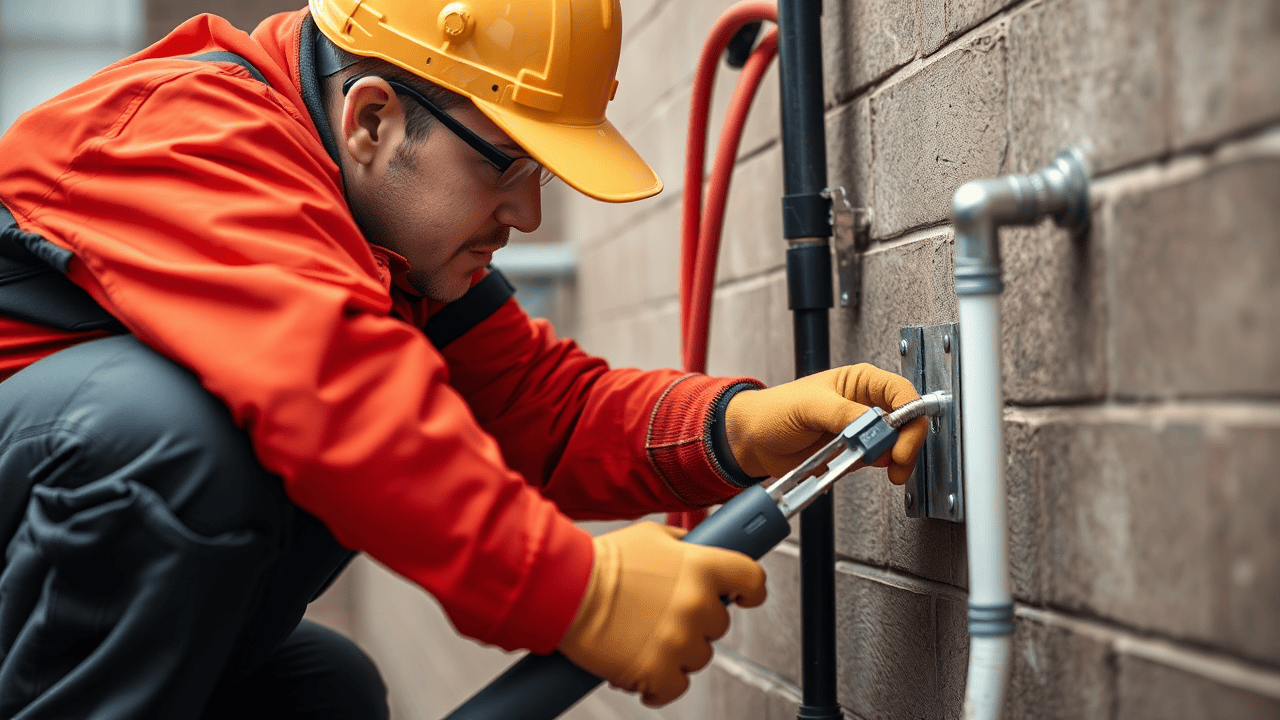
Once the leak's location has been identified, the repair process begins. Technicians may use various methods depending on the severity and type of leak. Sealants or epoxy may be applied for smaller leaks, while more significant issues may require pipe replacements or extensive repairs. Throughout this process, professionals prioritize minimizing disruptions to the household and ensuring that the plumbing system functions safely and efficiently.
Preventative Measures for Leak Management
Proactive maintenance plays a crucial role in effective leak management. Regular inspections of plumbing systems can help identify potential issues before they escalate. Homeowners should pay particular attention to visible pipes, joints, and fixtures, checking for any signs of wear or corrosion. Flushing water heaters annually aids in preventing sediment build-up, which can contribute to leaks. Additionally, ensuring that outdoor hoses and faucets are properly winterized can prevent damage during colder months.
Investing in high-quality materials during initial installations can significantly reduce the risk of leaks. Whenever possible, select durable fixtures and pipes designed to withstand pressure changes and temperature fluctuations. Property owners should also be vigilant about monitoring their water bills for any unexplained increases, as this can indicate a hidden leak. Educating family members on the importance of reporting water-related concerns promptly can streamline the detection and repair process, thereby mitigating the risk of severe water damage.
Best Practices to Avoid Future Plumbing Issues
Regular maintenance of your plumbing system can significantly reduce the likelihood of leaks and other plumbing issues. Homeowners should routinely inspect visible pipes for any signs of corrosion or wear. Keeping an eye on water bills can also help detect leaks early, as unexplained increases may signal a hidden problem. In addition to visual assessments, investing in a professional plumbing inspection every few years can help identify potential weaknesses before they worsen.
Another essential practice involves being mindful of what goes down drains and toilets. Avoid flushing items that do not belong, as they can lead to clogs and subsequent leaks. In kitchens, installing strainers can prevent food particles from entering pipes, thus minimizing the risk of blockages. Additionally, insulated pipes can help prevent freezing during colder months, further protecting against leaks. By following these simple yet effective practices, homeowners can create a more robust plumbing system that withstands the test of time.
Cost Factors in Leak Repair Services
Understanding the costs associated with leak repair services involves several factors. The type and severity of the leak play a significant role. For example, minor leaks may require simple fixes that can be addressed quickly, while severe leaks may necessitate extensive repairs, digging, or even replacement of plumbing systems. Diagnosis can also influence pricing. If the source of the leak is difficult to access, additional labor might be required, increasing the overall cost of the service.
Materials needed for the repair contribute to the total bill as well. High-quality materials may cost more upfront but often result in longer-lasting repairs. Labor costs also vary based on the plumber's level of experience and the urgency of the repair needed. Hourly rates may differ between professionals, influenced by their geographic location and the demand for their services. Homeowners should consider these elements when budgeting for leak repair to accurately gauge the potential expenses involved.
Understanding Pricing and Its Influences
Pricing for leak repair services varies significantly based on several factors. The complexity of the leak plays a crucial role; hidden leaks often require more time and specialized equipment to locate and fix. Additionally, the materials required for the repair can significantly influence costs. Areas in high demand may also see higher prices, reflecting the availability of skilled labor and competition among local plumbing services.
Other considerations include the urgency of the service needed. Emergency calls can cost more due to the immediate response required. Homeowners might also face added expenses if the leak has caused extensive water damage, requiring additional restoration work beyond just the plumbing repairs. Understanding these influences helps consumers make informed decisions when seeking leak detection and repair services.
FAQS
What is the first step in the leak repair process?
The first step in the leak repair process typically involves identifying the source of the leak, which professionals may do through visual inspections or specialized leak detection equipment.
How can I prevent leaks from occurring in my plumbing system?
Preventative measures include regular maintenance checks, inspecting pipes for signs of wear, ensuring proper insulation, and avoiding the disposal of inappropriate materials down the drains.
What factors influence the cost of leak repair services?
The cost of leak repair services can be influenced by factors such as the severity of the leak, the location of the damage, the type of materials required for repairs, and the labor costs of the professionals involved.
Are there any signs that indicate I might have a leak?
Common signs of a leak include unexplained increases in your water bill, damp or discolored spots on walls or ceilings, mold growth, and the sound of running water when no fixtures are in use.
Should I attempt to fix a leak myself or hire a professional?
While minor leaks may be attempted as DIY projects, it’s often recommended to hire a professional for leak detection and repair to ensure the issue is resolved properly and to avoid potential damage or safety hazards.