Shower installation and repair
At Bjork & Sons Plumbing LLC, we specialize in comprehensive shower installation and repair services tailored to meet your specific needs. Whether you're looking to upgrade your bathroom with a modern shower design or need prompt repairs for a malfunctioning unit, our skilled team is dedicated to providing high-quality workmanship and exceptional customer service. We handle everything from installing new fixtures and ensuring proper drainage to fixing leaks and restoring water pressure. With our expertise and attention to detail, we strive to deliver beautiful, functional showers that enhance your home's comfort and value. Trust Bjork & Sons Plumbing LLC to bring your shower vision to life and keep your bathing experience seamless and enjoyable.
DIY vs Professional Shower Repair
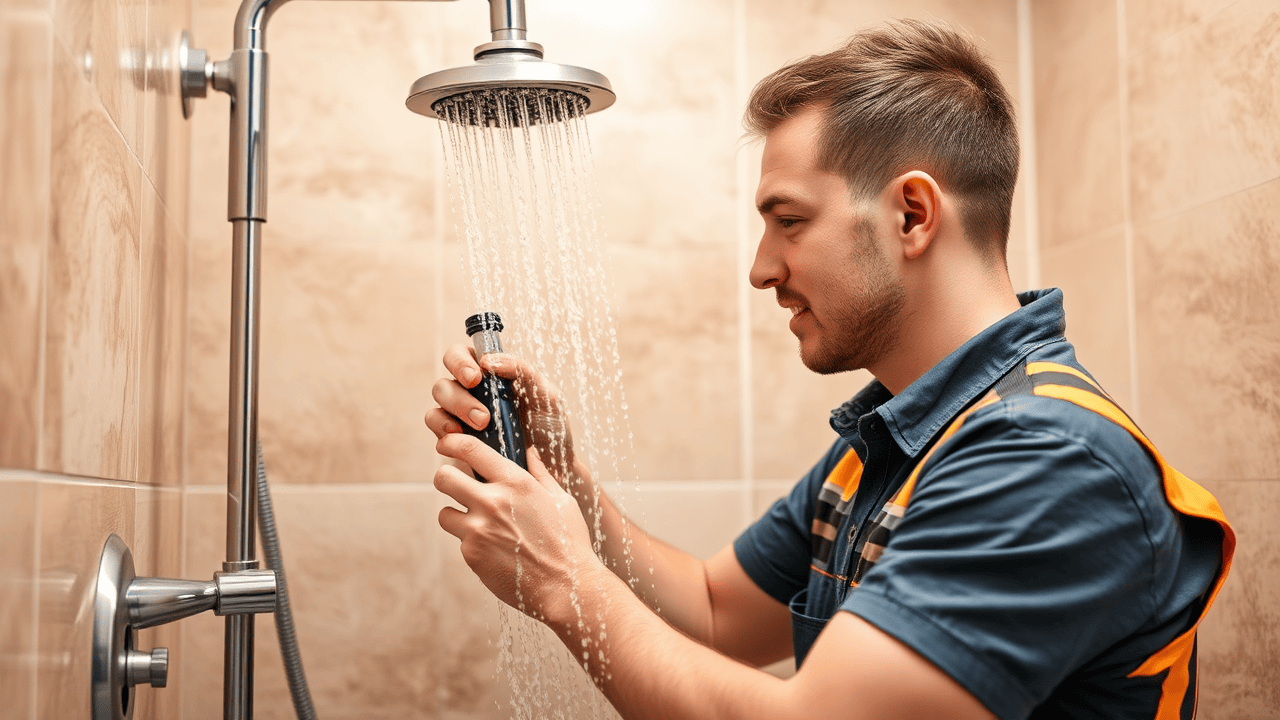
Taking on shower repairs yourself can be a rewarding experience for those with a bit of handy expertise. Many minor issues, such as replacing a showerhead or fixing a leaky faucet, can often be tackled with basic tools and online tutorials. Home improvement stores provide a wide array of parts and supplies that make these projects accessible. Success in these tasks can save money and provide a sense of accomplishment.
However, not all shower repairs are suitable for DIY attempts. Complex problems, such as extensive plumbing issues or mold behind the walls, require professional intervention. Professionals have the training and experience needed to diagnose underlying problems that a homeowner might overlook. Hiring a plumber can ensure that repairs are done correctly, preventing further damage and costly future repairs. Ultimately, evaluating the severity of the issue at hand is crucial in deciding between a DIY approach and seeking professional help.
When to Call a Plumber
Experiencing issues with your shower can often leave you puzzled about whether to tackle the problem yourself or reach out to a professional. When the leaks seem extensive or the water flow becomes erratic, consulting a plumber is a wise choice. Signs of hidden leaks, such as water stains on walls or ceilings, indicate that the issue may be beyond simple DIY fixes. A trained plumber can diagnose and address underlying problems that might not be immediately visible, helping to prevent further damage to your home.
Furthermore, when your shower's water pressure fluctuates unpredictably, it's time to call in the experts. High water pressure can lead to excessive wear on your plumbing system, while low pressure can hinder your shower experience. A plumber has the tools and expertise to determine the cause of the pressure issues, whether it be faulty valves, clogs, or other complications. This professional insight ensures that you receive effective solutions tailored to your specific situation, allowing you to enjoy a reliable and comfortable shower once again.
Shower Water Pressure Problems
Low or inconsistent water pressure in the shower can be a frustrating experience. It may stem from various issues, such as mineral buildup in the showerhead, a clogged pipe, or problems with the municipal water supply. Homeowners often overlook these factors, not realizing that small changes like sediment buildup can significantly impact their shower's performance.
On the other hand, high water pressure can lead to plumbing problems over time. It can cause premature wear on pipes and fixtures, leading to leaks or burst pipes. Regularly checking the water pressure and making adjustments can help maintain optimal function and extend the lifespan of shower components. Homeowners should be vigilant in identifying these issues to ensure a comfortable and efficient shower experience.
Solutions for Low or High Water Pressure
Low water pressure can often be resolved by checking for clogged showerheads or faucet aerators. Mineral buildup can restrict water flow, making it appear as if pressure is low. Soaking these components in a vinegar solution can dissolve mineral deposits. If the issue persists, evaluate the plumbing system for leaks or corrosion, as both can significantly impact water pressure.
High water pressure may require the installation of a pressure reducing valve. This device regulates the flow of water, preventing damage to plumbing fixtures and improving overall comfort during use. It’s also wise to consult with a plumbing professional if you suspect that the pressure is excessively high. They can assess the situation and provide a more permanent solution to avoid potential pipe bursts or leaks.
Preventative Maintenance for Showers
Regular maintenance can significantly enhance the longevity of your shower. Start by checking and replacing worn-out parts such as washers and seals. These small components play a crucial role in preventing leaks. Inspecting the showerhead for mineral deposits is essential as well. A simple soak in vinegar can help dissolve buildup, ensuring optimal water flow and pressure.
In addition to addressing wear and tear, establishing a routine cleaning schedule can improve the overall condition. Use mild cleaning solutions to scrub surfaces and eliminate soap scum. Pay attention to grout lines, as mildew can develop in damp areas. Proper ventilation in the bathroom also helps reduce moisture levels. Taking these preventive measures will keep your shower in peak condition while minimizing the need for repairs over time.
Tips to Extend the Lifespan of Your Shower
Regular maintenance plays a crucial role in prolonging the life of your shower. Start by inspecting the caulking and grout between tiles for any signs of deterioration. Replace damaged caulking promptly to prevent water from seeping behind walls, which can lead to mold growth and structural damage. Always clean surfaces to remove soap scum and mineral deposits, as these can cause corrosion over time.
Monitoring the water temperature can also contribute to longevity. Setting your water heater to a moderate temperature helps avoid excessive heat exposure, which can damage fixtures and create discomfort. Additionally, consider using water softeners if you live in an area with hard water. This reduces mineral buildup that can affect both function and appearance, ensuring that your shower remains both efficient and aesthetically pleasing for years to come.
FAQS
What are the main signs that I need a shower repair?
Common signs that indicate you might need a shower repair include leaking fixtures, low water pressure, unusual noises, and the presence of mold or mildew.
Can I install a shower myself, or should I hire a professional?
While some homeowners may successfully install a shower themselves, it is often recommended to hire a professional, especially if plumbing work is involved or if you are unsure about local building codes.
How can I improve low water pressure in my shower?
To improve low water pressure, you can check for clogs in the showerhead, ensure that the main water valve is fully open, and consider installing a pressure-boosting showerhead.
What maintenance should I perform to keep my shower in good condition?
Regular maintenance includes cleaning the showerhead and faucet aerators, checking for leaks, replacing worn-out seals, and inspecting grout and caulk for damage.
When should I call a plumber for my shower issues?
You should call a plumber if you notice persistent leaks, severe low or high water pressure that you cannot resolve, or if you are facing issues that require advanced plumbing knowledge or tools.