Water heater installation and repair
At Bjork & Sons Plumbing LLC, we specialize in professional water heater installation and repair services designed to meet the unique needs of our customers. Whether you’re looking to upgrade to an energy-efficient model or need urgent repairs on your existing system, our skilled technicians are ready to ensure your hot water supply is reliable and efficient. We understand the importance of a properly functioning water heater in your home, which is why we take the time to assess your specific requirements and provide tailored solutions. With a commitment to quality craftsmanship and customer satisfaction, you can trust Bjork & Sons Plumbing LLC to get the job done right, so you can enjoy hot water when you need it most.
The Installation Process Explained
A successful water heater installation begins with a thorough assessment of the location and the existing plumbing system. It's essential to choose the appropriate type of water heater, whether tank or tankless, based on the needs of the household. The preparation stage includes measuring the space, ensuring proper ventilation, and checking for any code requirements. Having a clear plan helps streamline the process and mitigates potential issues during installation.
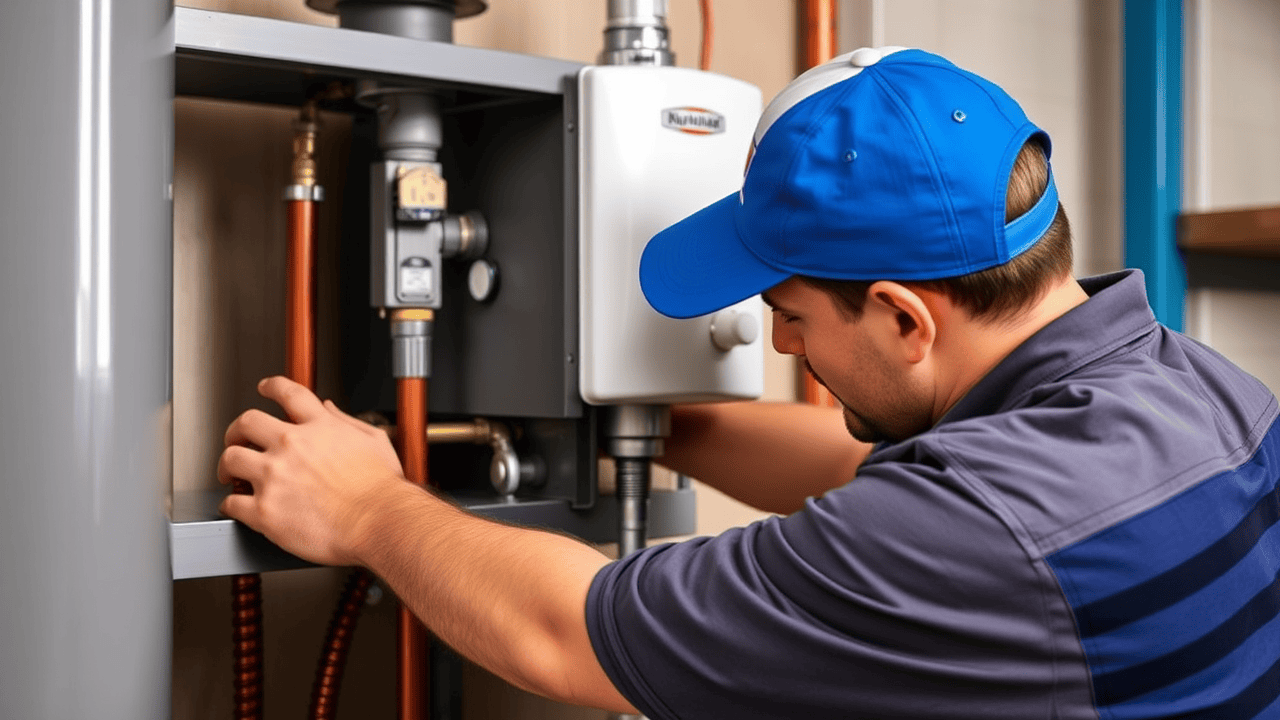
Once the preparations are complete, the actual installation can commence. This involves disconnecting the old unit, if applicable, and connecting the new water heater to the plumbing and electrical systems. Professionals typically ensure that all fittings are tight and leak-proof. After installation, a thorough inspection of the system’s functionality is necessary. This includes testing for leaks and verifying that the heater heats water to the desired temperature efficiently.
StepbyStep Guide
Before starting the installation process, it is wise to gather all necessary tools and materials. Ensure that the water heater is suitable for your home’s needs, considering factors such as size and energy source. Shut off the water supply and electricity or gas to the old unit as a safety precaution. Remove the old water heater carefully, ensuring to drain the remaining water and disconnect any pipes. Properly dispose of the old unit according to local regulations.
Once the old heater is removed, the new unit can be installed. Position the new water heater in the designated area, ensuring it is level and secure. Connect the cold water supply and hot water discharge pipes. If working with a gas model, install the venting system according to manufacturer specifications. Finally, turn on the water supply, check for leaks, and restore power to the unit. This methodical approach ensures a successful installation while minimizing risks associated with the process.
Factors Affecting Water Heater Costs
The cost of a water heater installation can vary widely based on several factors. The type of water heater chosen is a significant element, whether it is traditional tank, tankless, or heat pump. Each type comes with its own price range and efficiency ratings. Additionally, the size and capacity needed for the household will also influence costs, with larger units typically being more expensive.
Another important aspect is the complexity of the installation process. Homes with existing plumbing systems may have a smoother installation, while older homes might require additional upgrades to meet safety codes. Local labor rates in your area can also contribute to the overall cost, as well as any necessary permits or inspections mandated by local regulations. Considering these variables will help homeowners understand what to expect when budgeting for a new water heater.
Understanding Pricing Variables
When considering the cost of water heater installation or repair, several factors come into play that can significantly influence the final price. The type of water heater is one of the primary variables; tankless models typically cost more upfront compared to traditional tank systems. Additionally, the brand and energy efficiency rating can impact pricing, as higher efficiency often leads to a better long-term return on investment. Installation complexity is another consideration, as more intricate setups or modifications to existing plumbing may require additional labor and materials, thereby raising expenses.
Labor costs can vary depending on geographic location and the plumber's experience. In urban areas, for instance, service rates are often higher due to demand. Homeowners should also account for any permit fees required by local regulations, which can add to the overall cost. Seasonal factors, such as demand surges during the winter months when heaters are more likely to fail, may also affect pricing. Understanding these variables can help consumers make informed decisions when budgeting for water heater services.
Emergency Water Heater Services
A sudden water heater failure can disrupt daily routines and create significant inconvenience. Homeowners need to act quickly to mitigate damage and restore hot water access. Recognizing the signs of an emergency, such as leaking water, strange noises, or a lack of hot water, is vital. Immediate action involves turning off the water supply and electricity or gas to prevent further issues.
Professional emergency services provide rapid response to address urgent problems. Experienced plumbers can diagnose the situation swiftly, whether it requires a repair or a complete replacement. They carry essential tools and parts, ensuring a timely resolution to get your water heater back in working order. Understanding the urgency of such situations can help homeowners feel more prepared when faced with unexpected water heater emergencies.
What to Do in a Crisis
In a plumbing emergency involving your water heater, the first step is to turn off the power supply. If it's an electric heater, switch off the circuit breaker to prevent electrical hazards. For gas heaters, turn off the gas supply valve. This action minimizes the risk of fire and reduces potential damage to your home. Next, shut off the cold water supply to the heater to prevent further water entry and potential flooding.
After securing the water heater, assess the situation. Look for visible leaks or strange noises. If water is pooling, try to contain it with towels or buckets while awaiting professional assistance. Do not attempt to repair major issues without proper training. Always contact a licensed plumber to handle the emergency. Timely action can save you from larger bills and extensive repairs down the line.
FAQS
What are the key steps in the water heater installation process?
The key steps in the water heater installation process include assessing the site, choosing the appropriate water heater, disconnecting the old unit if applicable, installing the new unit, connecting the necessary plumbing and electrical lines, and finally testing the system to ensure it operates correctly.
How much does it typically cost to install a new water heater?
The cost to install a new water heater can vary significantly based on factors such as the type of water heater, labor costs, and any necessary modifications to your plumbing or electrical systems. On average, homeowners might spend between $800 and $1,500 for a complete installation.
What factors can affect the cost of water heater repair?
Factors that can affect the cost of water heater repair include the age and model of the unit, the nature of the issue, the parts needed for the repair, and labor costs in your area. Emergency repairs may also incur additional charges.
How can I tell if my water heater needs emergency services?
You should consider emergency services if you experience a sudden loss of hot water, leaking water around the unit, strange noises coming from the heater, or if the water heater is not functioning properly and could lead to further damage.
What should I do if my water heater bursts?
If your water heater bursts, immediately turn off the power supply and the water supply to the unit. If safe to do so, move any belongings away from the affected area to prevent water damage. Contact emergency plumbing services to address the issue right away.