Typical Duration for Water Heater Replacement
The duration to replace a home water heater can vary based on several factors. Generally, homeowners can expect the process to take anywhere from a few hours to a full day. Simple replacements may be quicker, especially if existing plumbing and electrical connections are in good condition. More complex installations or upgrades might require additional time, especially if modifications to the plumbing or electrical systems are necessary.
Homeowners often seek local services by searching for "water heater installation and repair near me" to find experienced technicians. Professionals typically arrive at the scheduled time, assess the existing system, and determine the best approach for a replacement. Efficient planning and preparation can significantly reduce installation time, ensuring that the household has access to hot water promptly.
Average Time Estimates
On average, the complete replacement of a home water heater can take anywhere from two to four hours. This timeline depends on various factors such as the type of water heater being installed, the existing plumbing setup, and whether additional modifications are necessary. If issues arise during the process, such as outdated connections or structural challenges, the time required may increase.
Homeowners looking to facilitate a smooth installation may benefit from enlisting professionals who specialize in water heater installation and repair near me. These experts can provide precise estimates based on the specific circumstances of each project. Their experience often leads to quicker resolutions, ensuring a more efficient replacement process that minimizes disruption.
Steps Involved in the Installation
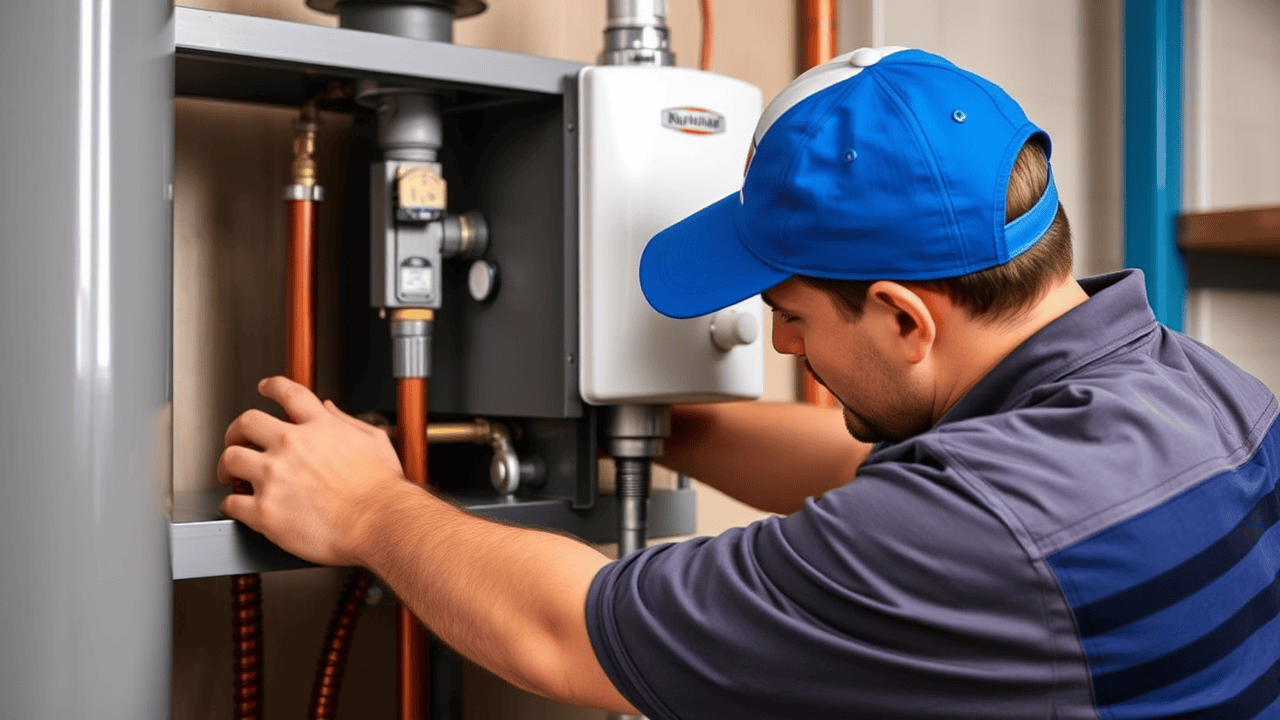
The installation of a water heater involves several critical steps to ensure a smooth and efficient process. First, the area must be prepared by shutting off the water and electricity or gas supply to the existing unit. The old water heater is then disconnected from these systems, which may require some basic plumbing knowledge. After removing the old unit, the new water heater can be positioned in place. It is crucial to follow the manufacturer's instructions regarding venting and drainage to maintain safety and compliance with local building codes.
Once the new heater is in position, the next steps include connecting the necessary pipes and power supply. This may involve soldering copper pipes or using flexible connectors for quicker installation. After making these connections, it’s essential to check for leaks and ensure that everything is securely fitted. If you feel unsure about any part of this process, searching for "water heater installation and repair near me" can help connect you with qualified professionals who can assist or oversee the installation.
Detailed Installation Process
The installation process begins with turning off the water supply and disconnecting the existing water heater. This step requires careful handling to prevent any accidental leaks or water damage. Once the old unit is removed, the space needs to be adequately prepared for the new heater. This includes checking the condition of existing plumbing and electrical connections to ensure they meet current codes and standards. If any repairs or upgrades are necessary, they should be addressed before proceeding with the installation of the new unit.
Next, the new water heater is positioned in place, and connections for water, gas, or electricity are securely made. This part of the installation demands attention to detail to avoid future issues. After all connections are established, the unit undergoes testing to ensure it operates safely and efficiently. Homeowners may find it beneficial to search for "water heater installation and repair near me" for assistance and expertise in navigating this process. Proper installation is crucial for performance and longevity, making it essential to follow each step diligently.
PostInstallation Considerations
After the water heater installation, it is essential to ensure proper functionality to avoid any future issues. Checking for leaks around the connections and testing the temperature settings on the thermostat can help confirm that everything is working as intended. It's advisable to allow the unit to run through a complete cycle to observe performance and spot any irregularities. Consistent monitoring during the first few days can help identify potential problems early on.
Regular maintenance is crucial in prolonging the life of your new water heater. Scheduling periodic inspections can catch minor issues before they escalate. Homeowners should familiarize themselves with the manufacturer's recommendations for maintenance tasks. For those uncertain about upkeep or finding a local service, searching for "water heater installation and repair near me" can yield quick, professional assistance. This proactive approach can ensure the system remains efficient and reliable long after installation.
Ensuring Proper Functionality
After the new water heater is installed, ensuring proper functionality is crucial for long-term performance. Homeowners should conduct a series of tests to confirm that the unit heats water efficiently and safely. Checking for any leaks around the plumbing connections and the tank itself is a vital first step. Observing the pressure relief valve and ensuring it operates correctly can prevent potential hazards related to overheating.
Regular maintenance after installation enhances the efficiency and lifespan of the water heater. It is advisable to flush the tank periodically to remove sediment buildup. Homeowners may also want to consult professionals for routine inspections to keep the unit in optimal condition. Searching for "water heater installation and repair near me" can help find local experts capable of providing the necessary maintenance services.
FAQS
How long does it typically take to replace a home water heater?
The typical duration for replacing a home water heater can range from 2 to 6 hours, depending on the complexity of the installation and the type of heater being replaced.
What factors can affect the time it takes to replace a water heater?
Factors that can affect the replacement time include the type of water heater (tank vs. tankless), the location of the installation, any necessary plumbing or electrical modifications, and whether or not the old unit is difficult to remove.
Do I need to prepare anything before the installation of my new water heater?
Yes, it’s advisable to clear the area around the old water heater and ensure that there is easy access for the installer. Additionally, you may want to turn off the water supply and electricity or gas to the existing unit before the installation begins.
What steps are involved in the water heater replacement process?
The installation process typically involves draining the old water heater, disconnecting it, installing the new unit, connecting the plumbing and electrical or gas lines, and then filling and testing the new heater for proper functionality.
Will my water supply be affected during the water heater replacement?
Yes, you may experience a temporary disruption in your hot water supply during the replacement process, but this typically only lasts for the duration of the installation, which is usually a few hours.