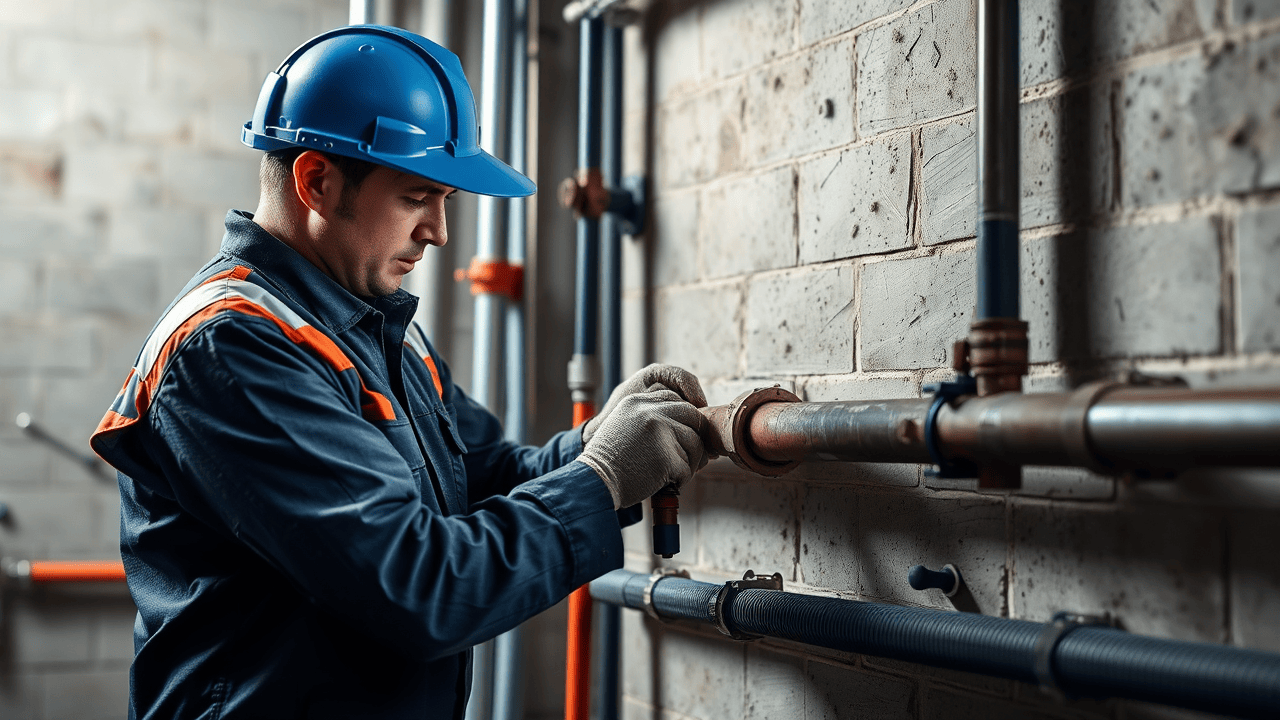
Costs Associated with Pipe Repair
The costs associated with pipe repair can vary significantly depending on several factors, including the type of damage and the materials required for the job. Basic repairs might be relatively inexpensive, while more complex issues such as burst pipes or extensive corrosion can lead to higher expenses. Homeowners often find themselves facing hidden costs, such as property damage resulting from leaking pipes that necessitate additional repairs. In many cases, emergency repairs can also incur additional charges.
When seeking services, many people search for "pipe installation and repair near me" to find local professionals capable of assessing and resolving issues efficiently. It's essential to obtain multiple quotes and understand the pricing structure before proceeding with any work. Considering both the urgency of the situation and the expertise of the repair personnel can influence the overall cost and effectiveness of the repair.
Factors Influencing Repair Expenses
Several factors significantly influence the costs associated with pipe repair. The type of damage plays a crucial role; minor leaks may only require sealing, while extensive corrosion might necessitate replacing entire sections of piping. Additionally, the accessibility of the pipes impacts labor costs. If the plumbing is located in hard-to-reach areas, the time and effort needed can escalate expenses. Local market rates for labor and materials also contribute to the overall cost of repairs.
Material choices further affect the expenses involved. Different types of pipes, such as copper, PVC, or PEX, have varying costs. The price can fluctuate based on the quality of materials selected. Geographic location plays a part as well. In urban areas, costs often rise due to higher demand for services like "Pipe installation and repair near me." Homeowners should always seek multiple estimates to understand the pricing landscape better.
Preventative Measures for Pipe Issues
Regular maintenance is key to preventing significant pipe issues. Homeowners should schedule routine inspections to identify potential problems before they escalate. Simple actions like checking for leaks or monitoring water pressure can signal the need for further evaluation. This proactive approach minimizes costly repairs down the line. Utilizing services for "pipe installation and repair near me" provides access to local experts who can offer guidance on maintaining a healthy plumbing system.
Proper insulation is another essential preventative measure. Pipes can be particularly vulnerable to temperature fluctuations, which may lead to freezing and bursting. Ensuring that all exposed pipes are adequately insulated helps protect against harsh weather conditions. Additionally, homeowners should be cautious about what goes down the drains and toilets. Avoiding the disposal of grease, hair, and other debris can greatly reduce the risk of clogs and subsequent pipe damage.
Tips for Maintaining Pipes
Regular maintenance can significantly extend the lifespan of your plumbing system. Inspecting pipes for signs of corrosion or leaks should be part of your routine. Keep an eye on water pressure; a sudden change may indicate an underlying issue. Additionally, insulating pipes in unheated areas can prevent them from freezing during colder months, reducing the risk of breaks and subsequent repairs.
Proper disposal of substances is essential for pipe health. Avoid flushing items like wipes, grease, or chemicals down the toilet or sink. These materials can cause clogs and damage your plumbing system. If you're ever in doubt, consult local professionals by searching for "pipe installation and repair near me" to ensure your pipes remain in excellent condition.
Materials Used in Pipe Repairs
Various materials are commonly utilized in pipe repairs, each chosen based on the specific needs of the project. PVC (polyvinyl chloride) is popular for its durability and resistance to corrosion, making it ideal for both water supply lines and drain pipes. Copper is another widely used material, especially in plumbing, due to its ability to withstand high temperatures and its anti-microbial properties. For more flexibility in installations, PEX (cross-linked polyethylene) is gaining traction because it can withstand extreme temperatures and harsh chemicals.
When seeking assistance for pipe-related issues, it is essential to consider professional services specializing in various materials. These services can include options suited for specific climates and application requirements. Homeowners often search for "pipe installation and repair near me" to connect with local experts who can offer tailored solutions, ensuring the chosen materials are appropriate for the intended purpose and environmental conditions. This consideration can significantly impact the longevity and effectiveness of the repairs undertaken.
Overview of Pipe Repair Materials
Various materials are used in the repair and installation of pipes, each selected based on the specific requirements of the project. Common options include PVC, copper, cast iron, and PEX. PVC is often favored for its lightweight and resistance to corrosion, making it ideal for drainage systems. Copper provides durability and reliability, often seen in water supply lines. PEX has gained popularity for its flexibility and ease of installation, suitable for both hot and cold water systems.
When seeking effective solutions for pipe issues, it’s important to know where to find quality materials. Local hardware stores typically stock a range of piping materials, while specialized plumbing suppliers may carry advanced options. For those looking for services, searching for "pipe installation and repair near me" can yield convenient local professionals who can help with both materials and workmanship. Understanding the available materials can assist in making informed decisions during repairs or upgrades.
FAQS
What is the term used for fixing pipes?
The process of fixing pipes is commonly referred to as "pipe repair."
What are some common problems that require pipe repairs?
Common problems that may necessitate pipe repairs include leaks, cracks, corrosion, and blockages.
How much does pipe repair typically cost?
The cost of pipe repair can vary widely depending on factors such as the extent of the damage, location of the pipes, and labor fees, but it generally ranges from $150 to $1,500 or more.
What materials are typically used in pipe repairs?
Common materials for pipe repairs include PVC, copper, galvanized steel, epoxy, and various sealants, depending on the type of pipe and the nature of the repair.
How can I prevent pipe issues in my home?
Preventative measures include regular inspections, drainage maintenance, insulating pipes from extreme temperatures, and avoiding flushing inappropriate materials down drains.