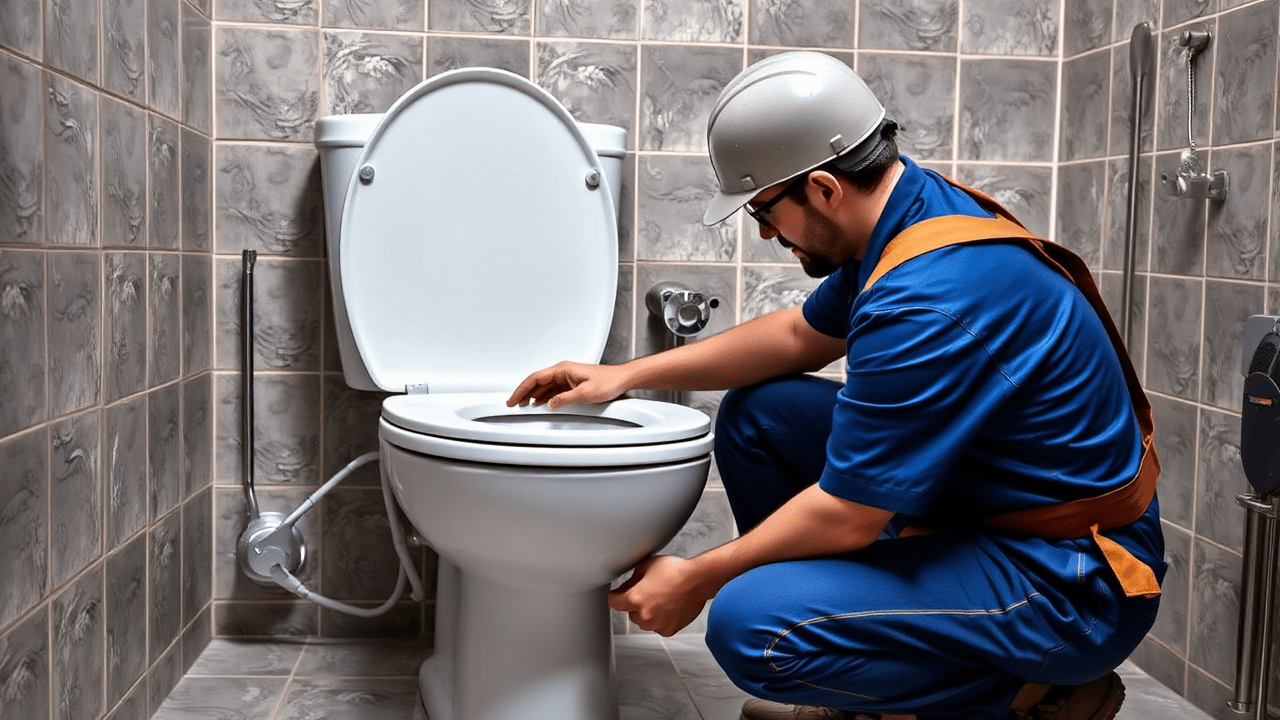
Lifespan of a Toilet
The average lifespan of a toilet typically ranges from 10 to 30 years, depending on the materials and usage. Porcelain models generally last longer than plastic alternatives, while older toilets may have plumbing components that degrade over time. Regular maintenance can extend a toilet's life, but wear and tear are inevitable, especially in high-traffic households.
When evaluating your toilet's condition, age becomes a critical factor. If you find yourself searching for "toilet installation and repair near me," it may indicate frequent issues that require attention. Considering whether to invest in repairs or a new unit can depend heavily on how long the existing toilet has been in service and its frequency of problems.
When to Consider Replacement Based on Age
Age plays a significant role in determining whether to repair or replace a toilet. Most toilets have a lifespan of around 20 to 30 years. As they approach this age, components become more susceptible to wear and tear, leading to frequent repairs. If you find yourself calling a plumber for minor fixes repeatedly, it may indicate that your toilet is nearing the end of its useful life.
When weighing your options, consider the potential benefits of a newer model. Modern toilets are designed to be more efficient and often use less water per flush. Investing in a new toilet can provide long-term savings on your water bill. Searching for “toilet installation and repair near me” can help you find qualified professionals who can assess your current situation and recommend the best course of action.
Energy and Water Efficiency Considerations
Older toilets often consume more water per flush than modern models. Traditional toilets can use up to 3.5 to 7 gallons per flush, which adds significantly to water bills over time. In contrast, newer designs are engineered to use as little as 1.28 gallons per flush or less, thereby improving overall water efficiency. Adopting a more efficient model not only contributes to environmental sustainability but also results in noticeable savings on utility expenses.
Upgrading to a water-efficient toilet can maximize savings in the long run. Many municipalities offer rebates or incentives for homeowners who choose to install high-efficiency models. This makes the upfront cost of replacement more manageable. For those contemplating whether to repair the current toilet or invest in a new unit, it may be wise to look into local options for “toilet installation and repair near me” to evaluate available services and potential savings.
How Upgrading Can Save Money LongTerm
Upgrading to a new, more efficient toilet can lead to substantial long-term savings on water bills. Modern toilets are designed to use significantly less water per flush compared to older models. This reduction not only conserves valuable resources but also translates to lower utility costs over time. Considering how often toilets are used, the cumulative savings can be quite impressive.
Additionally, newer toilets often come with advanced features that enhance performance and reduce maintenance issues. Investing in a reliable toilet can mean fewer repairs and longer intervals between service needs. Homeowners seeking local assistance can easily search for “toilet installation and repair near me” to find professionals who can guide them through the upgrade process, ensuring they make an informed decision that pays off in the long run.
Cost Comparison
When considering the cost comparison between repairing a toilet and replacing it, several factors come into play. The most immediate expense involves the specific issue at hand, whether it’s a leaky flapper, a clogged toilet, or a malfunctioning flush mechanism. Basic repairs can often be completed for a relatively low cost, especially if you handle the work yourself. However, if the repairs become frequent or involve more complex issues, expenses can add up quickly.
On the other hand, replacing an old toilet generally involves higher upfront costs due to purchasing a new unit and the associated installation fees. However, modern toilets often feature enhanced water efficiency and lower energy consumption, which can lead to significant savings on utility bills over time. Those interested in making a choice between repair and replacement should search for "Toilet installation and repair near me" to find local services that can provide estimates and expert advice tailored to their situation.
Analyzing Financial Implications of Each Choice
When considering whether to repair or replace a toilet, analyzing the financial implications can guide homeowners in making a sound decision. Repairing a toilet often comes with lower upfront costs, especially if the issue is minor, such as a faulty flapper or a leaking tank. However, if repairs become frequent or involve significant components, cumulative costs can add up quickly. In such cases, it may prove more economical to invest in a new, more efficient model that offers long-term savings through reduced water bills.
Upgrading to a modern toilet not only addresses potential repair issues but also enhances energy and water efficiency. Newer models are designed to use less water with each flush, which can lead to substantial savings over time. Homeowners considering repairs should also factor in the potential costs of ongoing maintenance. Seeking "toilet installation and repair near me" can provide options for both quick fixes and replacements, allowing homeowners to weigh the immediate costs against the benefit of long-term savings.
FAQS
What are the typical signs that indicate it might be time to replace my toilet?
Common signs that suggest you should consider replacing your toilet include frequent leaks, constant running water, cracks in the bowl or tank, and persistent clogs that can’t be resolved with repairs.
How long do toilets usually last before they need to be replaced?
Toilets typically have a lifespan of 20 to 30 years, but factors like usage, maintenance, and quality can affect their longevity. If your toilet is nearing this age and experiencing issues, replacement might be a better option.
What are the potential savings of upgrading to a more efficient toilet?
Upgrading to a high-efficiency toilet can save on water bills and reduce water consumption, leading to significant savings over time. Many modern toilets use 1.28 gallons per flush compared to older models that may use 3.5 gallons or more.
How do I determine whether to repair or replace my toilet?
To make this decision, consider the cost of repairs compared to the price of a new toilet, the age of the current toilet, and any ongoing issues. If repairs are frequent and costly, replacement might be the more economical choice in the long run.
Are there any hidden costs associated with toilet replacement?
Yes, hidden costs can include installation fees, plumbing adjustments, and potential updates to meet local codes. It's essential to factor in these expenses when budgeting for a new toilet.