Benefits of Hiring a Professional
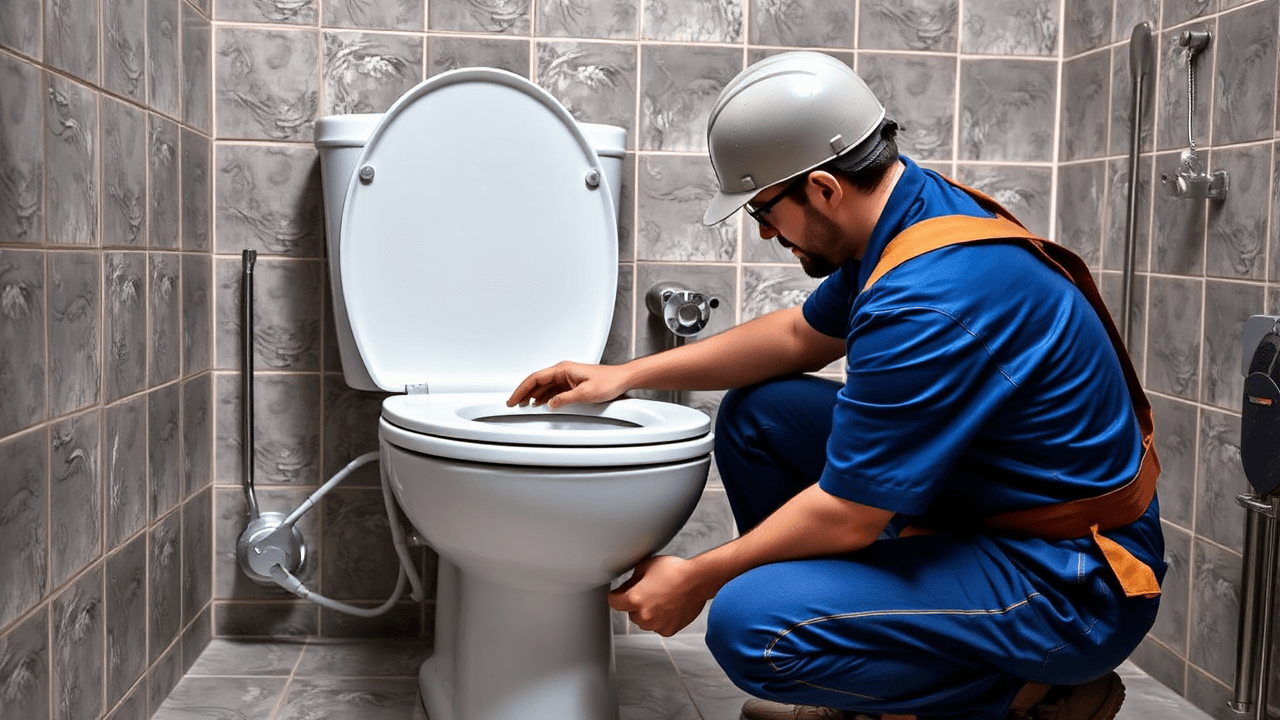
Hiring a professional plumber for toilet installation and repair brings considerable advantages. Professionals possess the skills and experience necessary to ensure that the job is done right the first time. Their familiarity with different plumbing systems reduces the risk of common mistakes that can lead to leaks or other complications down the line. In addition, licensed plumbers understand local building codes and regulations, ensuring that the installation is compliant and up to standard.
Another benefit of enlisting a professional is the time and effort saved during the installation process. Attempting a DIY approach often requires reading up on best practices and acquiring specific tools, which can be time-consuming. Professionals already have the tools and knowledge necessary to complete the job quickly and effectively. They can also offer valuable insights into the best products for your specific needs, helping you avoid costly errors when selecting a new toilet.
Advantages of Expert Assistance
Hiring a professional plumber for toilet installation and repair can save you time and hassle. Their expertise means they are familiar with various toilet models and plumbing systems, allowing them to handle any issues that may arise during the installation process. Professionals are equipped with the necessary tools and knowledge to ensure everything is correctly aligned and functioning, reducing the risk of leaks or improper installations that can lead to costly damage.
Additionally, expert assistance provides peace of mind regarding local plumbing codes and regulations. A licensed plumber understands what is required for compliance, ensuring that your installation meets all legal standards. This not only minimizes the chance of facing fines or legal issues but also enhances the longevity and reliability of your new toilet. Their experience in troubleshooting common problems further assures a smoother installation experience.
Safety Precautions to Take
When it comes to toilet installation and repair, safety should always be a primary concern. Before beginning any work, it is essential to turn off the water supply to prevent any potential flooding or leaks. Additionally, having a well-lit workspace will help you see clearly and avoid accidents. Wearing protective gear, such as gloves and safety goggles, can safeguard against injuries or exposure to harmful substances that may be present in older plumbing systems.
Properly securing your tools and materials is another critical step in ensuring a safe installation environment. Keep heavy items stored in a safe spot to avoid tripping hazards. If you are working with a friend or family member, communicate clearly about the tasks each person will handle. This collaborative approach can help minimize risks and create a smoother workflow during your toilet installation and repair project.
Ensuring a Safe Installation Environment
Creating a safe installation environment is crucial when tackling any plumbing project, including toilet installation and repair. Make sure the work area is clean and dry to prevent slips and falls. It is important to turn off the water supply before starting the installation to avoid any potential flooding. Clear any obstacles that might hinder movement around the space. This includes removing rugs or any items near the toilet that could cause distractions or accidents.
Proper personal protective equipment should also be considered during the installation process. Gloves can protect hands from sharp tools or materials, while goggles can safeguard eyes from debris. Working in a well-lit area will help ensure that all components are visible, reducing the risk of errors. Following these safety measures not only promotes an efficient installation but also protects everyone involved from unnecessary harm.
Choosing the Right Toilet
Selecting the right toilet involves considering various factors to ensure functionality and comfort. First, assess the size of your bathroom space. A compact model may be necessary for smaller areas while larger bathrooms can accommodate more spacious options. Additionally, the height of the toilet plays an important role. Standard toilets usually measure around 15 inches from the floor to the seat, but comfort-height models provide extra elevation, which can be beneficial for taller individuals or those with mobility challenges.
Water efficiency is another crucial element to evaluate. Many modern toilets are designed to use less water per flush, contributing to environmental conservation and lowering utility bills over time. Look for toilets that carry the WaterSense label, indicating they meet strict efficiency criteria. Understanding toilet installation and repair requirements can also help determine if a particular model suits your needs. Proper installation improves both performance and longevity, making it important to choose a toilet that best matches your preferences and plumbing system.
Factors to Consider When Selecting a Toilet
When selecting a new toilet, one of the primary factors to consider is the toilet's size and shape. Standard toilets vary in height, width, and depth, and it’s essential to choose a model that fits comfortably within the available space. Additionally, consider the bowl shape; round bowls typically offer a compact design, while elongated bowls provide added comfort. Ensuring that dimensions align with your bathroom's layout will help maximize both functionality and aesthetic appeal during toilet installation and repair.
Another important consideration is the toilet's flushing mechanism and efficiency. Modern toilets are available with various flushing technologies, from gravity-fed systems to pressure-assisted models. Water efficiency is increasingly important due to environmental concerns and water conservation initiatives. Low-flow toilets can significantly reduce water usage without sacrificing performance. Evaluating these features will guide you in selecting a toilet that meets both your performance needs and sustainability goals.
FAQS
Can I install a toilet myself, or should I hire a plumber?
While it's possible to install a toilet yourself if you have some plumbing experience, hiring a plumber is recommended to ensure the installation is done correctly and safely.
What are the benefits of hiring a professional plumber for toilet installation?
Hiring a professional plumber ensures the installation is done properly, reduces the risk of leaks, saves time, and can provide peace of mind knowing the job is backed by expertise.
What safety precautions should I take before installing a new toilet?
It's important to turn off the water supply, ensure the area is clean and dry, and have the necessary tools on hand. If you're unsure about any steps, consider consulting a professional.
How do I choose the right toilet for my bathroom?
When selecting a toilet, consider factors such as size, height, style, and water efficiency. It's also important to measure the space to ensure the toilet fits well in your bathroom.
What should I do if I encounter problems during the installation?
If you run into issues during the installation, it's best to stop and reassess. If you're unable to resolve the problem, contacting a plumber for assistance can save you time and prevent further complications.