Safety Precautions During Gas Line Work
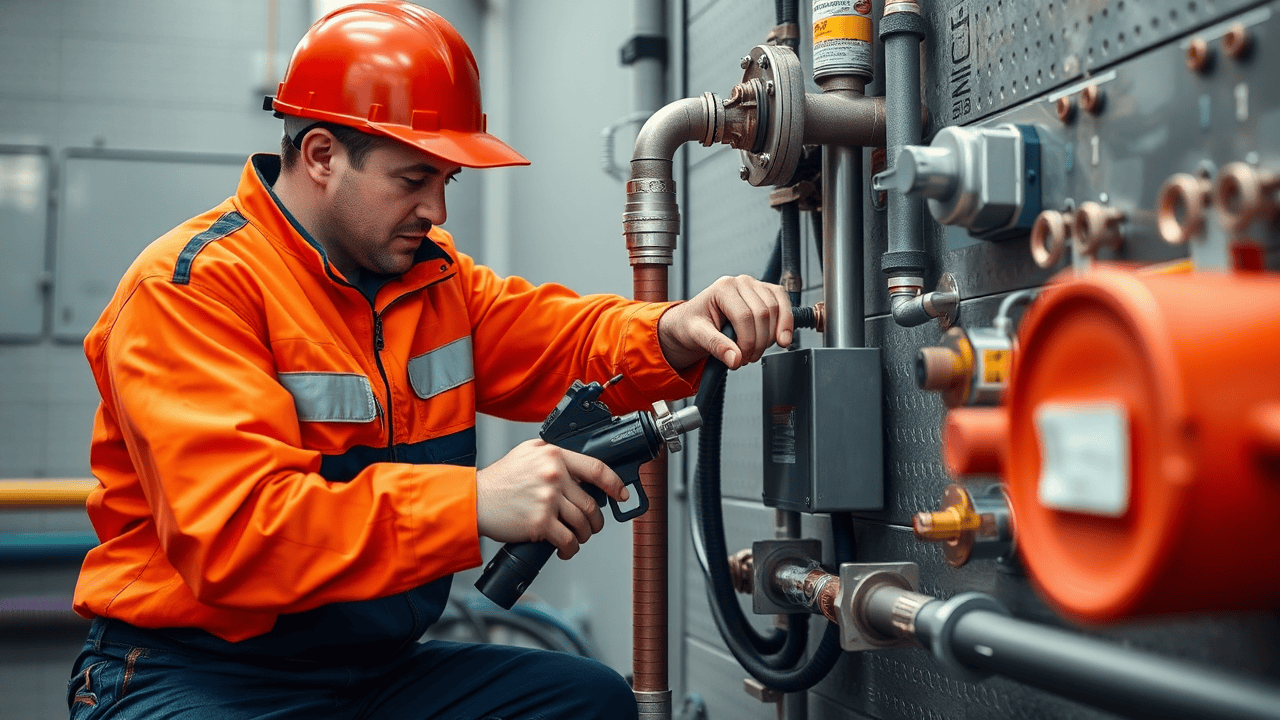
Working with gas lines necessitates strict adherence to safety precautions to prevent accidents. Before starting any work, it is crucial to turn off the gas supply to the area. This action minimizes the risk of leakage and explosions. Homeowners should also ensure proper ventilation in the workspace. If any chemical odors arise, it is essential to evacuate the area immediately and contact a professional technician.
Homeowners should familiarize themselves with local regulations regarding gas line work. Gas line installation and repair Oregon requires compliance with specific codes for safety reasons. Utilizing proper personal protective equipment, such as gloves and goggles, is vital during gas line work. Keeping a fire extinguisher nearby adds an extra layer of safety in case of emergencies.
Essential Tips for Homeowners
Homeowners must prioritize safety when dealing with gas lines. Any signs of a gas leak, such as a rotten egg smell or hissing sounds, should prompt immediate action. Shut off the gas supply and evacuate all persons from the area before contacting professionals. Regular inspections of gas appliances and lines help identify potential issues before they escalate, ensuring a safer home environment. Being proactive can prevent costly repairs and dangerous situations.
Additionally, understanding the importance of proper installation and repairs is crucial. Gas line installation and repair Oregon services require adherence to strict safety standards and local regulations. Homeowners should keep records of all maintenance and repairs undertaken. This documentation can be invaluable in case of future issues or when selling the home. Educating oneself about the responsibilities of gas line ownership fosters a greater awareness of safety and compliance needs.
The Role of Local Regulations
Local regulations play a significant role in the installation and maintenance of gas lines. Compliance with these regulations ensures not only safety but also legal adherence within the community. Homeowners must be aware of the specific codes governing gas line work in their area. Failure to follow these guidelines can lead to fines or even hazardous situations.
In Oregon, for instance, gas line installation and repair Oregon requires a thorough understanding of state laws. Technicians must typically obtain permits and pass inspections to validate their work. Such measures help to uphold safety standards and protect both homeowners and the environment from potential risks associated with gas leaks or improper installations.
Permits and Compliance Requirements
When considering gas line work, understanding the necessary permits and compliance requirements is crucial. Local regulations vary, and homeowners must ensure they follow the laws specific to their area. For instance, gas line installation and repair in Oregon mandates certain permits to be obtained before any work commences. These permits not only verify that the work adheres to safety standards but also protect both the property and the individuals performing the work.
Failing to secure the proper permits can lead to potential fines and complications during future property transactions. It is advisable for homeowners to contact their local building department to gain clarity on what is needed for their specific gas line project. Compliance with these regulations ensures that all work done is safe and legal, which ultimately contributes to the overall integrity of the property.
Finding a Qualified Technician
Finding a qualified technician for gas line work is essential to ensure safety and compliance with local regulations. A skilled professional not only has the necessary training but also understands the specific requirements and risks associated with gas lines. Homeowners should prioritize technicians who possess appropriate licenses and certifications relevant to their state. In regions such as Oregon, a technician experienced in gas line installation and repair Oregon will be more familiar with local codes, providing added assurance that the job will be done correctly.
When searching for a qualified technician, consider seeking recommendations from trusted friends or family members. Reviews and testimonials can also offer insights into a technician's reliability and quality of work. It's advisable to ask potential candidates about their experience with gas line issues and their approach to safety measures. A reputable technician will be transparent about their qualifications and will also provide a detailed estimate before starting the project, ensuring that homeowners feel comfortable throughout the process.
Key Qualifications to Look For
When searching for a qualified technician for gas line installation and repair in Oregon, it is essential to prioritize certification and licensing. Technicians should hold valid state licenses that demonstrate their understanding of safety standards and regulations specific to gas line work. This protects not only the technician but also homeowners and the surrounding community.
Experience is another critical factor to consider. Look for professionals who have a proven track record in gas line installation and repair. An experienced technician will be familiar with the unique challenges that can arise in different settings and will have the skills necessary to address them effectively. Checking reviews and asking for recommendations can also help ensure you select a reliable and knowledgeable provider.
FAQS
What factors influence the cost of tightening a gas line?
Several factors can influence the cost, including the complexity of the job, the location of the gas line, local labor rates, and whether any repairs or replacements are necessary.
How can I ensure my gas line is safely tightened?
It's essential to hire a qualified technician who is experienced in gas line work. Additionally, following safety precautions, such as ensuring the area is well-ventilated and checking for gas leaks, can help ensure safety.
Are permits required for tightening a gas line?
Yes, many local jurisdictions require permits for gas line work to ensure compliance with safety regulations. It's advisable to check with your local authorities to understand the specific requirements in your area.
What should I look for in a qualified technician for gas line work?
Look for a technician who is licensed, insured, and has experience specifically with gas line installations and repairs. Additionally, checking reviews and asking for references can help ensure you hire a qualified professional.
Is it possible to tighten a gas line myself?
It is not recommended to tighten a gas line yourself unless you are a qualified professional. Gas work can be dangerous, and improper handling can lead to leaks or hazardous situations. Always consult a licensed technician.