Common Causes of Gas Line Breaks
Gas lines can break due to a variety of reasons, often stemming from environmental factors or improper installation. Soil movement caused by heavy rains or earthquakes can shift pipes, leading to cracks or disconnections. Additionally, corrosion over time can weaken metal pipes. Older materials may be more susceptible to damage, especially if not installed with current standards in mind.
Another common cause is accidental damage during landscaping or construction activities. When homeowners or contractors dig without proper awareness of existing underground systems, they can inadvertently puncture or crush gas lines. Regular maintenance assessments are vital to catch potential issues early, especially in areas that experience frequent seismic activity. For safe and reliable solutions, residents should consider seeking expert assistance for gas line installation and repair in Oregon.
Factors Leading to Damage
Several factors can lead to gas line damage, significantly affecting their integrity and safety. Natural phenomena such as earthquakes can shift the ground, exerting pressure on underground pipes. Additionally, deterioration over time can occur due to aging materials, leaving them susceptible to cracks and leaks. Poor installation practices may also contribute to issues, making it crucial for homeowners to ensure their gas line installation and repair in Oregon is conducted by qualified professionals who adhere to safety standards.
External influences play a critical role in gas line damage as well. Construction activities nearby can inadvertently sever or disturb gas lines, creating hazardous conditions. Severe weather, including heavy rains and snow, can cause soil erosion and affect the stability of the pipes. Invasive tree roots can also compromise a gas line's structure, leading to potential breaks. Being aware of these factors can help homeowners take preventive measures to protect their gas lines.
Repairing Minor Issues
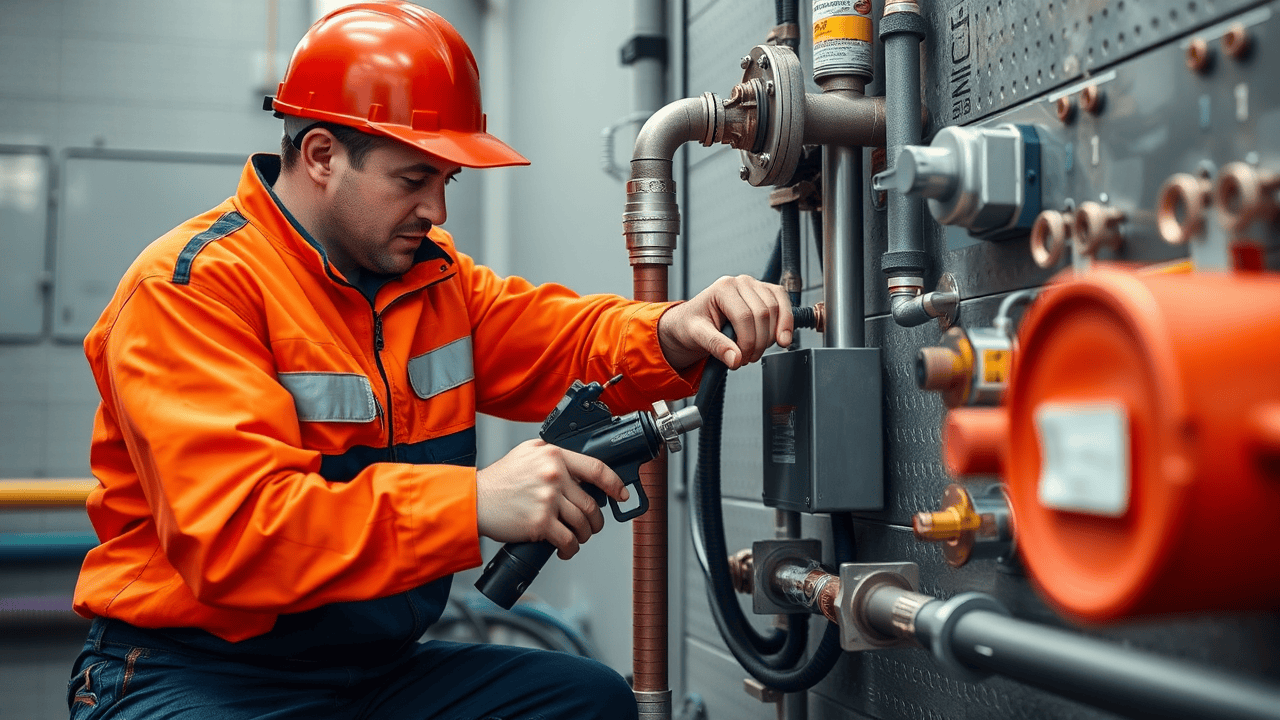
Addressing minor issues with a gas line requires careful evaluation and a few simple tools. Before beginning any repair, it’s essential to turn off the gas supply to ensure safety. If you detect a small leak, it may be possible to seal it using gas-rated tape or a suitable sealant. Always conduct the repair in a well-ventilated area and check for any additional leaks after sealing. Knowledge about gas line installation and repair in Oregon can provide valuable insights into proper techniques.
After sealing a leak, testing is crucial to confirm that the repair was successful. A mixture of soap and water applied to the repair site can reveal any remaining escaping gas if it bubbles. If the leak persists or if you encounter a situation that seems beyond your skill level, it’s advisable to consult a professional. Taking proactive measures helps maintain safety and efficiency, ensuring that the gas line operates properly without further risk of damage or leaks.
StepbyStep Guide for Small Leaks
To address small leaks in your gas line, start by ensuring you have the right tools and materials on hand. Safety precautions are vital; turn off the gas supply before beginning any work. Locate the leak using a soapy water solution, which will create bubbles at the site of the leak. Once identified, you can proceed with sealing the area by applying appropriate gas line tape or sealant. Make sure to follow the manufacturer’s instructions for the repair materials to guarantee a secure fix.
After sealing the leak, it’s essential to perform a pressure test to ensure that the repair was successful. Reopen the gas supply slowly and watch for any signs of escaping gas. Once any concerns about safety are alleviated, consider scheduling a professional inspection to confirm the integrity of your gas line. Seeking assistance from experts in gas line installation and repair in Oregon will provide peace of mind and ensure compliance with local safety regulations.
When to Call a Professional
Some gas line issues require expertise beyond basic DIY repairs. If you notice a significant leak or smell gas in your home, address the situation immediately. Evacuate the area, avoid using electrical switches, and call emergency services. Professional help is essential when dealing with complexities like corroded lines, faulty connections, or damage from external factors. Expertise ensures safety and compliance with local regulations.
For more routine inspections or repairs, it’s advisable to contact licensed technicians. They possess the necessary skills to identify potential hazards and perform repairs correctly. Gas line installation and repair in Oregon is governed by specific codes, ensuring that any work meets safety standards. Relying on professionals not only mitigates risks but also provides peace of mind knowing the job will be done right.
Identifying Complex Problems
Complex problems associated with gas lines often manifest through multiple symptoms that can be difficult to pinpoint. Issues may include fluctuating gas pressure, persistent smells of gas, or unusual noises coming from appliances. Each of these signs could indicate underlying problems that are not immediately apparent, such as corrosion, joint failures, or issues arising from improper installation.
In cases where these symptoms are present, seeking professional assistance is crucial. Gas line installation and repair in Oregon is highly regulated, ensuring safety during installation and maintenance. Professionals have the experience and equipment necessary to diagnose intricate issues that are beyond the skill set of most homeowners.
FAQS
Can I fix a broken gas line myself?
It is not advisable to fix a broken gas line yourself due to the hazardous nature of gas. Minor issues may be repairable, but it’s best to call a professional for any significant repairs.
What are the common causes of gas line breaks?
Common causes of gas line breaks include corrosion, physical damage from heavy machinery or landscaping, and ground shifting or settling over time.
How can I detect a gas leak in my home?
You can detect a gas leak by smelling for a distinct sulfur or rotten egg odor, listening for hissing sounds near gas lines, or using a gas leak detector. If you suspect a leak, evacuate the area and contact a professional immediately.
What should I do if I suspect a gas leak?
If you suspect a gas leak, evacuate all individuals and pets from the area, avoid using electrical switches or appliances, and contact your gas provider or a professional gas technician for assistance.
How do I know if the problem with my gas line is minor or complex?
Minor issues may include small leaks or loose connections that can be temporarily managed. Complex problems typically involve extensive damage or require specialized tools and expertise, making it necessary to consult a professional.